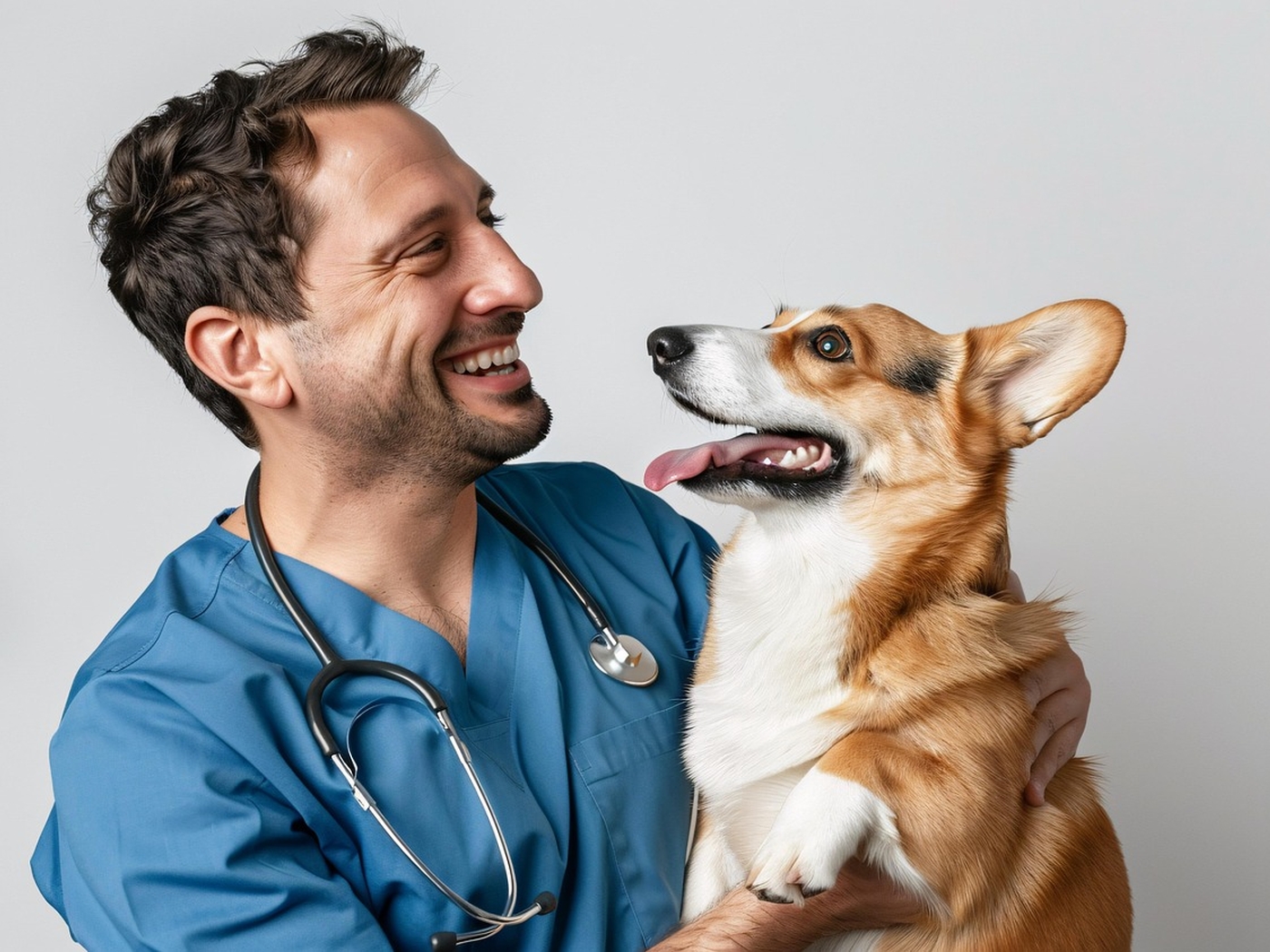


Training agenda
Professional Customer Service in a Veterinary Practice — Course Overview
Today’s pet owners treat animals like family—and their expectations for veterinary care and communication keep rising. Clients are also more informed: they compare clinics, read reviews, and often come prepared with knowledge (including from AI). In this market, the winners are the practices that combine medical expertise with outstanding service and professionalism.
This training helps veterinary teams improve client communication, reduce complaints and negative reviews, and build long-term relationships that translate into stable growth and predictable revenue. It is designed for everyone who works with animal patients and their owners—veterinary reception staff and veterinarians.
What the workshop focuses on (3 pillars)
Service knowledge: key service principles, types of pet owners, effective communication, triggering words and common communication barriers.
Advanced client service skills: handling difficult situations, managing emotions, body language and tone of voice, de-escalation and conflict reduction.
Attitude and motivation: empathy and understanding the owner’s perspective—shifting from “demanding client” to “a worried person seeking help for their pet.”
Polite, confident service encourages repeat visits, while poor communication leads to conflict, complaints, and reputational damage. Stress also impacts team morale, increases turnover, and contributes to burnout—so service quality and client relationships are strategic for every veterinary clinic.
Included: certificate of participation, lunch, coffee breaks, post-training materials, and practical motivation to implement changes.
This training is covered by the A to Z Quality Guarantee – see details here
Duration
Format
Audience
Methods used
What participants will learn
- Communication principles, client types, and effective service standards
- The impact of body language and tone of voice
- How to handle difficult situations
- Delivering difficult news using the S.P.I.K.E.S. protocol (e.g., an unsuccessful procedure)
- Developing empathy and the ability to “step into the pet owner’s shoes”
- Paraphrasing and asking open-ended and closed questions
- Problem-solving and conflict de-escalation (the P.I.W. framework)
- Setting boundaries and assertive refusal (Pamela Butler’s approach)
- Understanding the impact of online reviews (Google Maps, Świat Przychodni) on a medical facility
- Get in touch for a free consultation!
Other Training Programs
Veterinary Clinic Customer Service Training
A practical training program for veterinary clinics that builds communication skills, empathy, and excellent service for pet owners. Learn how to handle difficult situations, build trust, and strengthen your clinic’s reputation.

Train-the-trainers
A comprehensive Train the Trainers program that strengthens training, communication, and facilitation skills. Evidence-based, hands-on workshops covering needs assessment, training design, delivery, and evaluation.

Brand Rebranding
Rebranding is a brand refresh process that includes visual changes (e.g., logo, colors) and internal transformation. This training helps define the scope of a rebrand and align it with market changes and customer expectations.
Courses & Training
Training with an experienced coach brings you closer to achieving high performance, satisfaction and success.

Przychodnia Panaceum

Helimed

Muzeum II Wojny Światowej

Kombinat Konopny

Marcol Stomatologia

Supremo

Uniwersytet Mikołaja Kopernika w Toruniu

Primes

Revimed

Wojewódzka Biblioteka Publiczna w Olsztynie

NCM

Eko-Color

Biblioteka Publiczna w Piasecznie

WMBP Gdańsk

NZOZ Stogi

Koszalińska Biblioteka Publiczna

Actavis

Przychodnia Medycyna Rodzinna

Remed Lectus

Stowarzyszenie Bibliotekarzy Polskich

Przychodnia Baltimed

Miejska Biblioteka Publiczna we Wrocławiu

Przychodnia Wassowskiego

ZOZ Wola Śródmieście

Biblioteka Miejska w Łodzi

Wojewódzka i Miejska Biblioteka Publiczna w Rzeszowie